I fell in love with Spanish before even being aware of it. Here's the story of a lifelong love affair with a language.

Falling in love with a language before even speaking it is not only possible. It's one of the most powerful ways to make progress. Passion makes the brain do things no textbook ever could.
I fell in love with Spanish before being aware of it. Let me explain.

I remember the multiple stories my mum and grandparents would tell me about all the places they visited in Spain. They'd drive from Morocco (where they lived) to France (where my grandmother's family lived) in the summer. Every story they told was infused with a sweet nostalgia that almost became my own.
I don't know when I heard Spanish (knowingly) for the first time. Probably through music, and not to get stereotypical here, but Flamenco music most likely. My grandfather loved Flamenco Puro.
I do, however, know when I heard Spanish consciously. I'd hear salsa and merengue in the streets of 80s New York and just loved it so much, wanting to understand this magical language. Also, at the time, a lot of people assumed I was Latina: ladies in the street would ask me for directions, taxi drivers would strike casual conversations. I'd just stand (or sit) there feeling silly and frustrated about not being able to answer. I remember vividly this guy I was buying flowers from, who actually got impatient with me and thought I was pretending not to understand Spanish.
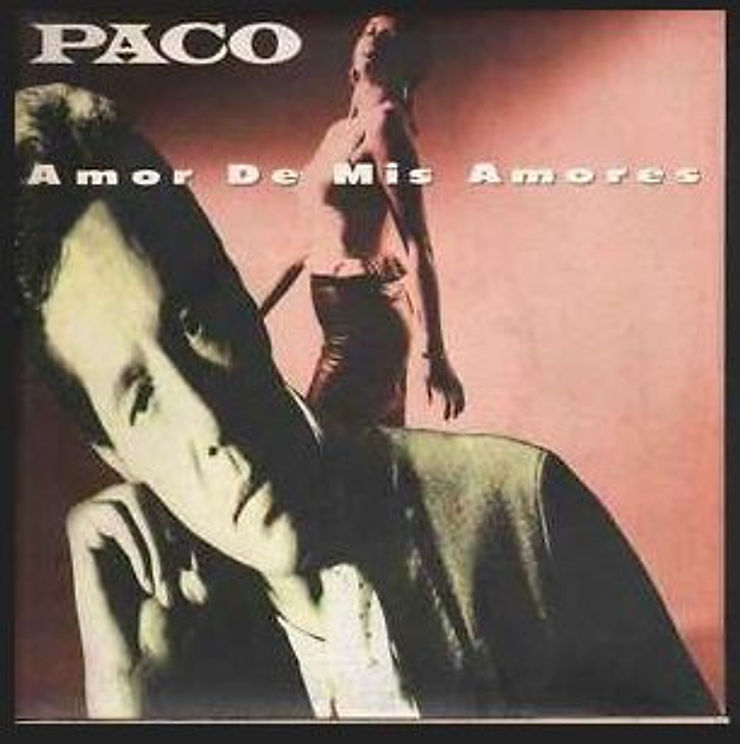
And one day, I heard a song. A song I loved so much that I memorized it without having any idea what it meant. I asked a Colombian friend of my mum's to write the lyrics down for me and set about translating the song, there was no Internet at the time, mind you.
I decided that the following year, I'd speak Spanish.
I worked and worked and saved and saved: at the end of the school year, I told my parents I was going to Spain for a month on my own, it would be the first time I went somewhere I had no family or friends. I'd contacted the Spanish Embassy to get information. The Embassy had sent me materials; I'd chosen where I wanted to go, what program, everything. I'd even made a down payment to make sure that no matter what my parents said, I'd go anyway. I was 18, 1 year into college, ready to fly to a country I loved before ever setting foot there. And it lived up to all my expectations.
In the following years, I studied Spanish in college and made Spanish-speaking friends. I became familiar with the many differences between the language spoken in Spain and the Spanish(s), plural, spoken in different central and south American countries. It went on for a few years, and then life happened. And Spanish took a back seat. Well, actually, it went in the trunk ;-)
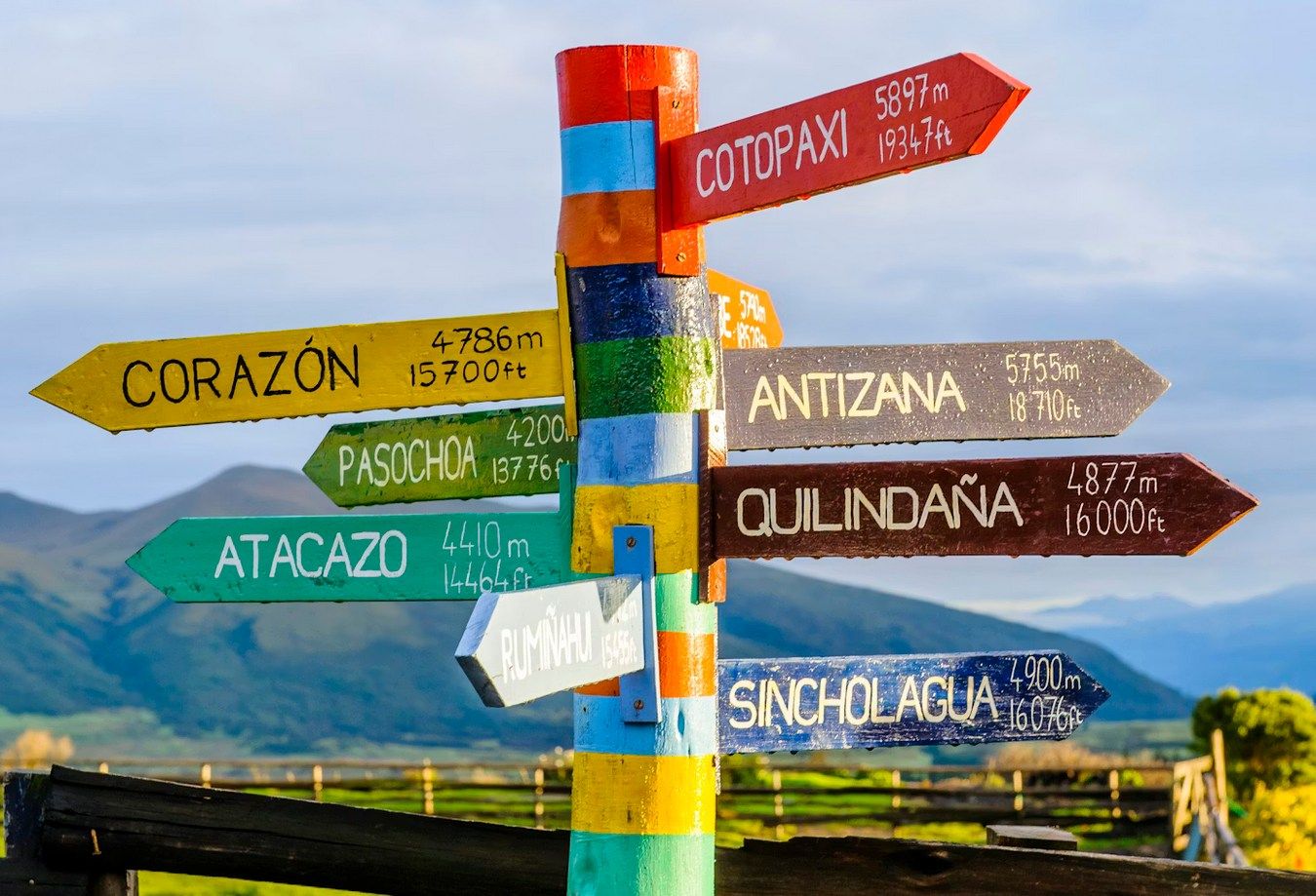
Fast forward maaaaaaaaaaaaaaany years (by many, I mean maybe 20): I'm living in France, meeting old (Spanish-speaking) friends who introduce me to new Spanish-speaking friends. I go to Spain often; I travel to Colombia and fall in love with the country, music, and language. I travel to Mexico, love it, stay there for a couple of months and study Spanish every day, 3 hours a day.
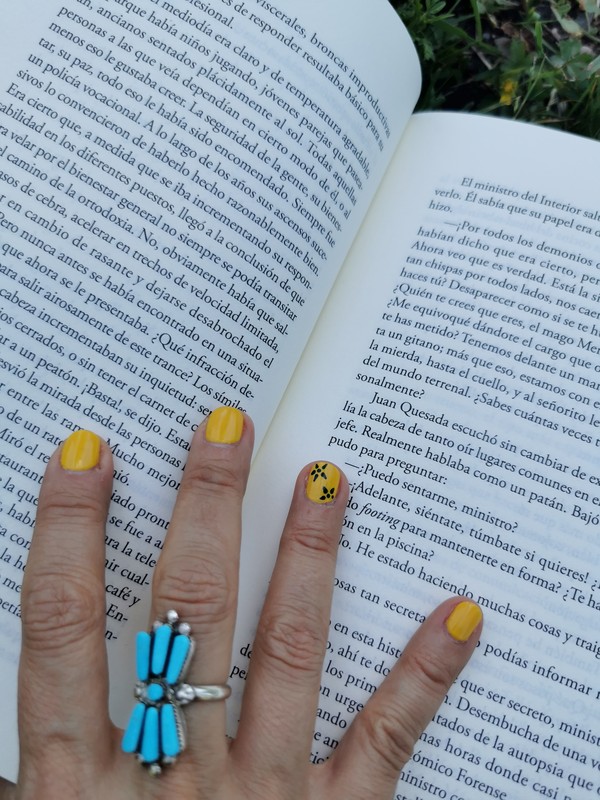
Covid happens. I start reading in Spanish, I start watching as many shows in Spanish as I can on different streaming platforms, and I can feel I'm not far from reaching that distant dream; I'm almost fluent, almost, but not quite.
During Covid, besides watching series, I worked and studied a lot to become a Neurolanguage Coach® and then decided to test it firsthand, to become a coachee.
Present day: I've worked with a Spanish-speaking Neurolanguage coach on and off for over a year. I love languages and I love to get into the nitty gritty aspects of words, grammar, and culture. Coach extraordinaire Ana Sanchez was with me every step of the way. Today I can watch Spanish shows without subtitles (well, depending on the accent, ha!) and I can read more complex novels than the ones I started with.
So whatever frustration, loss of confidence, second-guessing, or feelings of overwhelm you sometimes struggle through, if you really want it, you can have it.
Even though each of us has a different language learning journey, and I can't pretend to know everything you're feeling, I might have a good idea. I'm a lot more than a Neurolanguage Coach®, I'm a coachee, a perpetual learner of languages, and the best co-pilot you could wish for on your language journey. Try it!
Frequently Asked Questions
Can adults really learn a new language from scratch?
Yes, absolutely. Adults actually have advantages children don't: a structured memory, the ability to draw connections between languages, and a clear sense of purpose. What changes with age is the method, not the potential.
Can passion for a language replace formal lessons?
Not entirely, but it's a remarkably powerful engine. The brain retains what it's excited about. Structured support : coaching, immersion, guided practice then amplifies what passion has planted.
How do I restart a language I've left behind?
The language hasn't disappeared, it's waiting. Reactivation is usually faster than the first time around. What you need is a context that makes you want to dive back in: a series, a trip, a conversation, or a coach who knows how to create the right environment.
Does Neurolanguage Coaching® work for languages other than English?
Yes. The method is grounded in how the brain works, which is universal. It applies to learning any language.
Ready to restart or accelerate your language journey? I offer a discovery session to explore where you are and where you want to go. Book your discovery session here.