
There are about six times more words in English than in French. Here\'s what that actually means for language learners.
"There are about six times more words in the English language than in French. As of 2021 the Complete Oxford Dictionary has 600,000 unique words against 100,000 words (totaling 350,000 meanings) for the Grand Robert (the most complete French dictionary). The majority of people only know from 15,000 to 30,000 words, and even good writers rarely know more than 50,000 words (in the same language). This gives an idea of the huge diversity of vocabulary and nuances available to users of English."
I love it!
I never realized there were so many more words in English than in French. I mean, why would I? I just fell upon the information by chance when I was looking for some info on the English language I could share for a post :-)
Once I had that info, I paid attention to when I was talking in one or the other of the languages. I now am aware of the fact that I am a lot more specific in English than in French. I realize that when I disagree with someone, I'm much better at explaining and convincing when I speak English than when I speak French, because the words I use are very specific and I waste less energy on giving more context (should I be admitting that?).
Building on this new knowledge, I'm now consciously aware of things I intrinsically knew but that I never stopped to think about. Here are a few words that can get pretty confusing in French if you don't have context.
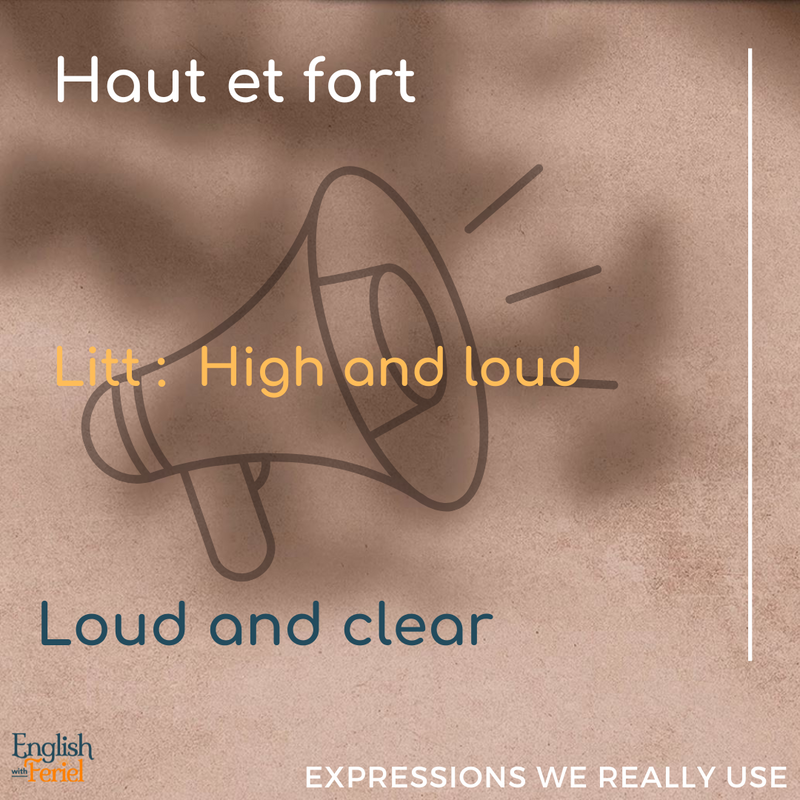
« Strong » vs « loud » - which in French both translate as « fort »
How does the person I'm talking to know, when I use « fort », whether I mean « strong » or « loud »?
Contexte, obviously. If I'm talking to someone about the concert I went to and how strong the music was, they would have no doubt about the fact that the music was « loud ».
Here's another trickier example: "Stranger" and "Foreigner"

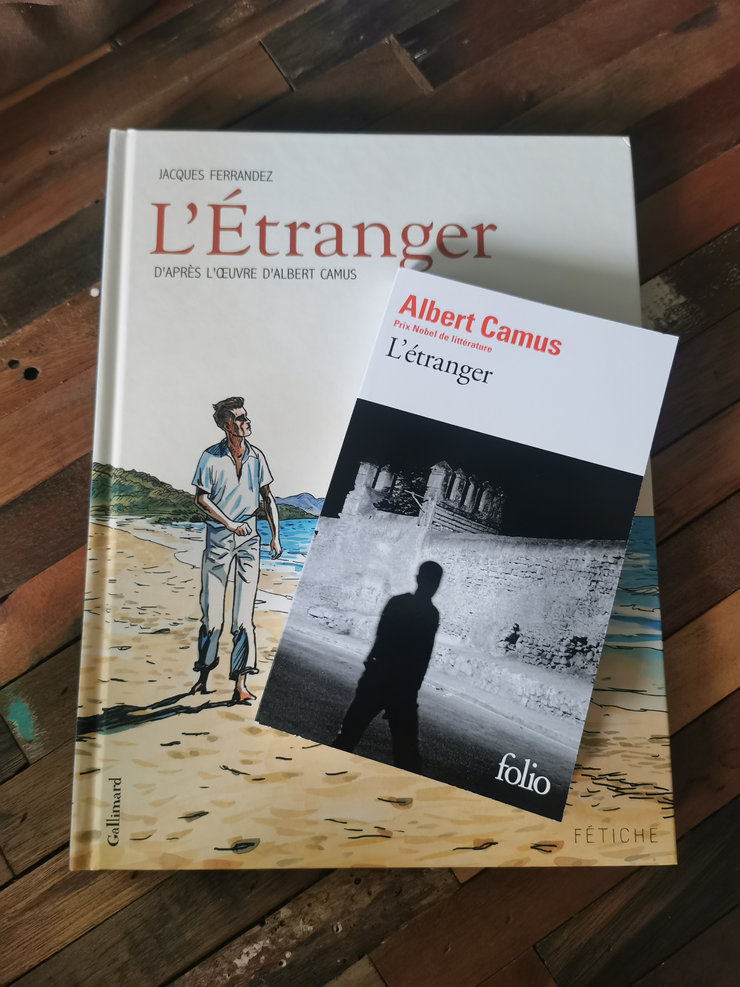
In French there's just one word: « étranger ». Camus' book L'étranger was translated in English as The Stranger, although in a way, it's also about a foreigner. But that's neither here nor there.
Now if I tell a child that he shouldn't talk to strangers, in France the sentence « il ne faut pas parler aux étrangers » could translate into « don't talk to foreigners » or « don't talk to strangers ». Contexte here is very very important.
Another interesting example is "wild" and "savage"
In French "wild" and "savage" both translate to « sauvage ». A movie title such as Into the Wild can't be translated in French, it would be Into the Savage (in fact it was not translated in France; in Quebec they translated it as "vers l'inconnu"). The Wild West would become "the savage west", so it's called « le far west » instead, go figure! :-)
I've found myself having a hard time explaining the word "wild" to a French speaker. "Wilderness" can't be translated either. In French we would say "the savage area".
"Shallow" doesn't exist as an opposite of "deep" when referring to waters

There are also words that just don't exist in French while they exist in English. This following example is the one that resonates most with me because I love being in water and I always found it very strange that it didn't exist in French: "shallow".
If we want to refer to the shallow end of the pool, we'd say « pas profonde, not deep ». Here we do have to use a little more words, not for context but just because you need 2 words where in English you need just one.
If however, I was referring to a shallow person, I would use the word « superficiel » as I might also do in English.
Expensive or "pas cher"
One last example because this one word is so convenient and I never could understand that it doesn't exist in French!
There's no word in French to say the opposite of "expensive". We say « pas cher » (not expensive), « donné » (given), or « bon marché » (good market, not used so much anymore).
The word "cheap" itself is now used in French but to mean "of bad quality", so it's a derogatory term.
While I have to investigate further, I think these types of examples might explain why a French translation of an English sentence is almost always longer. When I was translating 1-page marketing documents from English to French, it was a challenge to have a 1-page French end-result. French texts are always longer than English ones:
- 1984 (Georges Orwell): 328 pages in English, 400 pages in French
- L'étranger (Albert Camus): 159 pages in English, 194 pages in French
- The Great Gatsby (Fitzgerald): 182 pages in English, 250 pages in French
It could be due to the vocabulary as the few examples above have shown; it could also be due to cultural differences in the way we express ourselves.
When I first moved to France and worked in a French company, I was told my emails were too short. And by short they meant length and tone. I came across as a little rude, maybe too "dry". This was 15 years ago and I'm almost sure that it would no longer be the case today, but it goes to show.
How is that useful for you, O language learner or language lover? Well, knowing that the French need to use more words to explain a similar idea, or that native speakers of the English language have more words to choose from when they want to describe or explain something, might help you understand the language and then some.
It might also help you in one important thing as a language learner: stop comparing your language level to that of natives. While there is an obvious difference in how the language itself is used, culture is also something you have to take into consideration. By learning a language, you're also learning a culture, and that doesn't happen overnight, it happens over time.
I'm curious now about other languages… let me go check 😉