
I was at a frozen food store when I started singing a Bee Gees song I barely knew - and it sent me down a neuroscience rabbit hole.
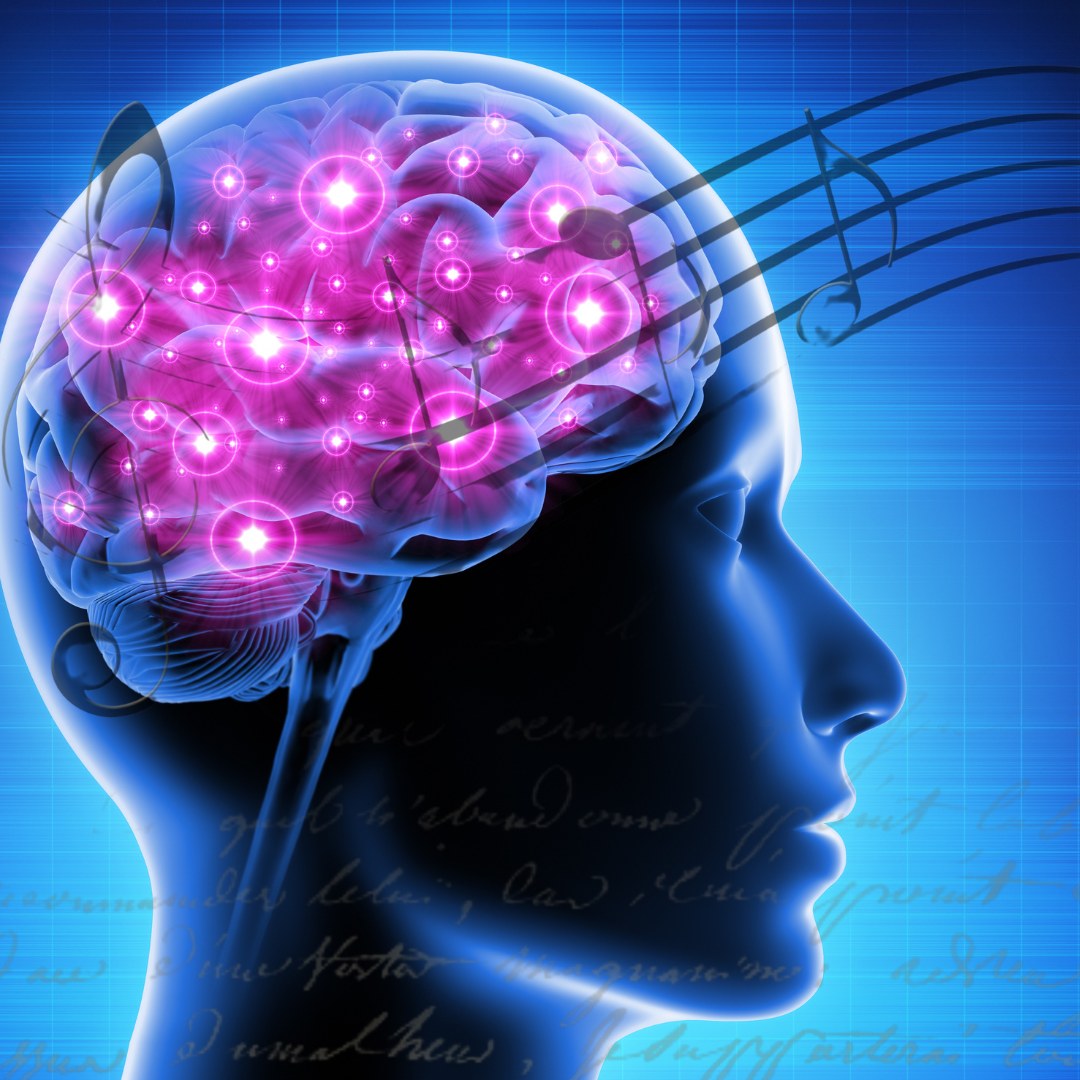
I was at a frozen food store yesterday, music was playing and I was humming along. After a while, still undecided as to what food to choose, I started singing to myself (in a low voice of course!).
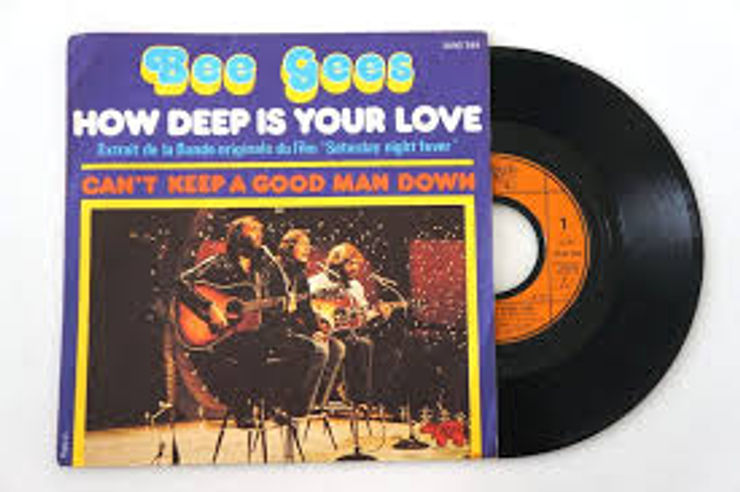
I know your eyes in the morning sun I feel you touch me in the pouring rain And the moment that you wander far from me I wanna feel you in my arms again…
How deep is your love, how deep is your love I really mean to learn 'Cause we're living in a world of fools Breaking us down when they all should let us be We belong to you and me
Seriously, I hadn't even realized I was doing it… and then I did. I couldn't believe I was singing along to a Bee Gees song I hadn't heard in a very very long time (at least as far as I'm aware). Here's the thing: I most likely heard the song numerous times unknowingly, in an elevator, in a store, who knows?
I knew the lyrics to the song. Yet if you'd asked me 5 minutes earlier if I knew the song, I'd have said that I remember it, I might have hummed it, but sing it? No. And yet I did! I apparently know it really well. I was tiny when it was popular and playing on the radio, and it seems it's imprinted somewhere in my brain (why, why remember that and not much more useful information?)
What's fascinating here is that it's not a song I particularly like. One might even say I used to dislike it :-) So what gives? What part of my brain memorized this song 100 years ago and regurgitated it yesterday? I listen to music all the time, did my brain react to the music? I'm obsessed with words, did the word part of my brain react?
Does this fall under the "once you know how to bike you never forget it" category? Is it because I learned that song before a certain age? Or a number of "reminders" I had over the years? Or is there a type of music that leaves a longer imprint in the brain?
I asked myself so many questions at that moment. And yes, you guessed it, I googled and YouTubed it as soon as I got home.
What the research says: Music and the Brain
Here's a brief summary of what I learned:
-
Music is a universal human skill. The earliest musical instruments we know of are at least 40,000 years old.
-
Music affects us at the biological level:
- Music affects our blood pressure and heart rate
- Music affects pathways in the limbic system (involved in learning, memory, emotional response)
- EEG imagery shows that different types of music affect brain waves differently
- Listening to music you like activates the same pathways as when you perform a social task that requires empathy
- Dopamine is released when your favourite part of a song comes up
- Oxytocin levels rise when people sing together
-
Cortisol (the "stress hormone") level goes down
-
Music and language learning:
- Music activates pathways in our limbic system (amygdala + hippocampus)
- Music activates a reward center called the striatum by triggering dopamine release
- Different music styles (different tempos) have different effects on the prefrontal cortex
"More and more research is showing us that at least some musical education has a positive impact on social and cognitive development of children. And these effects are long-lasting: better hearing, better motor skills, improved memory, which incidentally appears to go on all the way through into old age, better verbal and literacy skills, even, some suggest, better skills at mathematics."
How to use music to learn a language
Of course, the type of music you listen to can get in the way of your learning. If you're doing exercises or writing a text while listening to a song you love and want to sing along to, focus might be difficult.
So align your music choices with your learning goals:
- For focus and memorisation → calmer music with no lyrics; it will help you focus and might help you memorise better
- Commuting or in public transport → music with lyrics you can listen to, sing along, and enjoy. Look the lyrics up and translate them!
- Before a stressful meeting or event → listen to your favourite music, to lower stress and put you in a good headspace before having to use English or French
If you need advice, support, accountability, and coaching around your language learning, send me a message, if I can help, I will :-)
Some of my research: - Your brain on music | Alan Harvey | TEDxPerth - YouTube - Interactive effects of music and prefrontal cortex stimulation - Nature.com - The Neuroscience of Music - Wired