I'm not going to lie - when I first heard that your brain is more open to suggestion right before sleep, it reminded me of the theory about learning a language in your sleep. But then I fell into the rabbit hole of research, and well…
I'm not going to lie, when I first heard that your brain is more open to suggestion right before sleep and just after waking up, it reminded me of the theory according to which you can learn a language in your sleep. Eye Roll.
But then I fell into the rabbit hole of research (as I do), and well, it turns out, there's something to it. Maybe not exactly "learning in your sleep" but still, something really interesting and maybe space for a little language learning habit ;-)
Let's Talk Brainwaves
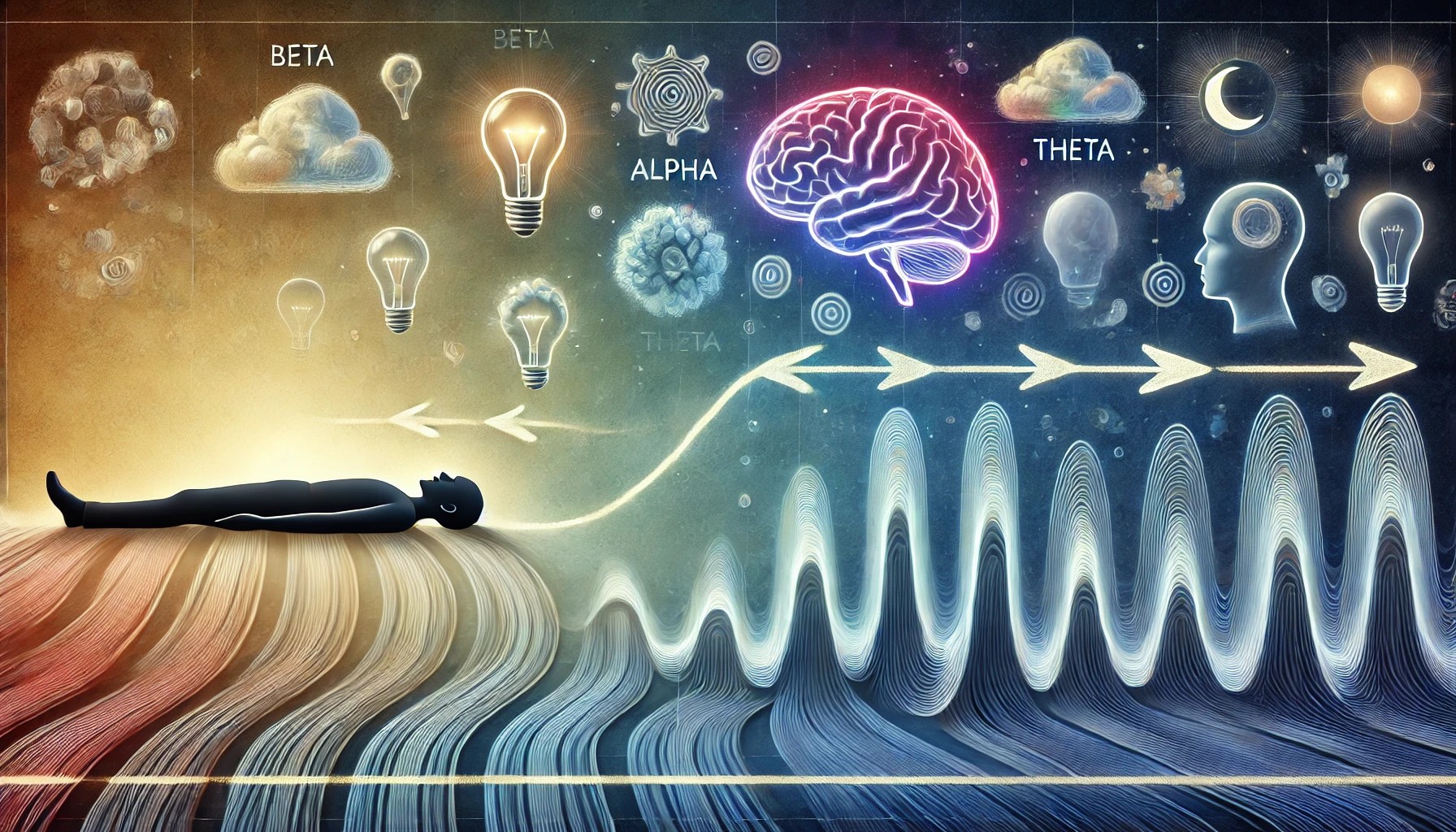
During the day, when you're awake, alert and working or scrolling, your brain operates in beta wave mode. Think fast-paced, problem-solving, task-juggling energy. But as you start winding down, maybe reading in bed, staring at the ceiling, half-listening to a podcast, your brain starts to slow down.
You move through alpha waves (calm, reflective) into theta waves (deep relaxation and daydreamy), and eventually into delta waves when you're fully asleep. But it's the alpha and theta states that are really interesting for us, as lazy language learners. ;-)
These in-between phases are called:
- Hypnagogic (as you're falling asleep)
- Hypnopompic (as you're waking up)
And during these transitions, something special happens: your conscious mind relaxes, and your subconscious becomes more accessible. You're still aware, but your brain is much more open to suggestion, visual imagery, and emotional imprinting.
Yes, this is scientifically backed. I checked and double-checked.
Here's what we know:
- Brain imaging confirms that during hypnagogic and hypnopompic states, the brain shows increased alpha and theta wave activity, both of which are linked to creativity, openness, and relaxed focus.
- Hypnotic suggestion, which deliberately uses these states, has been studied for years. It's been shown to shift perception, behavior, and even brain activity in highly suggestible individuals.
- Creativity studies found that people who were "interrupted" in the early phase of sleep, just as they're dipping into hypnagogia, came up with significantly more creative solutions to problems. (Ever heard of the stories of Thomas Edison and Salvador Dalí using metal objects in hand to jolt themselves awake just as they were drifting off?)
- Memory research shows that practising or reviewing information right before sleep improves retention. It's called memory consolidation : your brain literally replays and strengthens newly learned material as you sleep.
- And yes, there's even some evidence of implicit learning happening during sleep. You won't magically absorb a new language by osmosis (sorry, headphone learners), but your brain can form simple associations.
So, Now What? What Does It All Translate to in Real Life?
It means that we have these 2 quiet, powerful windows where our brains are literally more open, flexible, and sponge-like. We don't need to overthink it.
Here's how you can make it work for you:
1. Briefly Review Something You Want to Remember Before Sleep
Because your brain processes and consolidates information during sleep, gently glancing over material, like a vocabulary list, a concept summary, or a goal, right before bed can set the stage for better recall the next day.
- "Review your top three priorities for tomorrow."
- "Skim that new word list or a motivating quote."
2. Try Affirmations Before Sleep (or First Thing in the Morning)
Because your subconscious is more suggestible, this is a great time to gently reinforce something positive:
"I'm safe." "I'm enough." "I trust myself."
Simple, yes, but over time, powerful.
3. Use Visualization
Just before drifting off, imagine yourself doing the thing you're working on, speaking fluently, giving that presentation, staying calm in a stressful moment. Your brain, in theta, processes imagery almost as if it's real.
4. Listen to a Guided Audio Track
Think: meditation, hypnosis, or calming affirmations. The goal isn't to absorb word-for-word instructions. It's to soak in the tone, intention, and emotional vibe. (And let's be honest, sometimes we just need someone else's voice to talk us into calm.)
5. Journal When You Wake Up
Keep a notebook by your bed and scribble whatever pops into your head in those first few fuzzy minutes. Dreams, ideas, odd phrases. This isn't about writing something perfect, it's about catching the tail of your subconscious before it floats away.
All these practices work best when approached gently, aim for consistency rather than perfection and allow the effects to grow gradually as you repeat them.
What This Won't Do
Just to be clear: this is not about hacking your way to fluency in your sleep. You're not going to fluently speak Mandarin Chinese in a couple of weeks (if you do, please call me). These states help with integration, reinforcement, mindset shifts, and emotional processing : not full-on skill acquisition.
But that doesn't make them any less powerful.
If you're someone who's learning a language, developing a new habit, or even just trying to shift some unhelpful inner narratives, those half-sleep moments aren't something to brush off. They're windows. Quiet little chances to speak directly to yourself, not the critical, logical, over-caffeinated you, but the deep, imaginative you who actually believes change is possible.