
The Observer
Source: CP Enneagram Academy - The Ultimate Guide
Key Traits
- The Centrality of Thinking. Fives relate to the world primarily through their thinking function.
- Emotional Detachment. This tendency allows Fives to avoid uncomfortable emotions and the energy it would take to feel them.
- Fear of Engulfment. This refers to a fear of being intruded upon or used up by others, which motivates Fives to avoid relationships.
- Autonomy and Self-Sufficiency. This tendency allows Fives to maintain their withdrawal from others by not needing resources from them.
- Hypersensitivity. Because Fives tend to protect themselves against emotions, they can have difficulty dealing with painful feelings.
Overview
Type Five represents the archetype of the person who withdraws into thinking and detaches from feeling as a way of taking refuge in the inner world. The central drive of this archetype is to find security by minimizing needs and using resources economically so that external demands can be limited and controlled.
Fives have analytical minds and tend to spend a lot of time pursuing their intellectual interests. They often possess a great deal of knowledge and expertise in particular areas of study. Because they automatically detach from emotions, they are highly skilled at performing rational, objective analyses of issues or situations. This habit also makes them calm in a crisis.
As with all the archetypal personalities, however, Type Fives' gifts and strengths also represent their "fatal flaw" or "Achilles heel:" they can isolate themselves from others, feel inhibited in relationships, and be detached and withdrawn in social situations.
Zooming In
Focus of Attention
Fives believe knowledge is power, so they like to observe what's going on around them without getting too involved, especially emotionally. They focus on accumulating information about subjects that interest them and managing their time and energy, which they perceive as scarce, by avoiding entanglements with others.
Thoughts and Emotions
Fives live in their heads and habitually detach from their emotions. They are sensitive to emotional demands being placed on them. They typically have a narrow range of feeling and almost never show their emotions in public.
Behavior Patterns
Fives are reserved and introverted, need a lot of time alone, and avoid interactions with people who (they fear) might deplete them. They are very analytical and objective, and they tend to spend a lot of time pursuing their intellectual interests.
Blind Spots
- the value of emotional engagement
- the value of connecting to others through personal disclosure
- relationships can enhance energy, not just deplete it
- the access to abundant time, space, energy, and other resources
When Blind Spots are Integrated
- balance intellectual analysis with being more connected to their emotional responses
- share more about themselves and create stronger bonds
- deepen relationships and enhance connection
- have more energy and inner resources through working against scarcity mentality
Passion : Avarice
(dominant emotional drive, fixation, that each type struggles with)
As the core emotional motivation behind this type, avarice manifests as a holding back of oneself and one's resources. Fives hoard their time, energy, space, knowledge, and feelings.
Virtue : Non-attachment
(higher emotional state, quality, that each type can achieve when healthy and balanced)
In non-attachment, this type gladly opens up to feeling their emotions when others come close to them. They feel energized by more ongoing contact with their own life force and live more fully with joy and less planning. They break away from the belief that their own energy is limited so they can give more to others without hoarding.
The Path From Avarice to Non-Attachment
The Type 5 paradox is experienced through the polarity between the passion of avarice and the virtue of non-attachment. Fives grow when they see the disparity between their bright, sophisticated minds and their childish, undeveloped hearts. When they can observe themselves hurting others by being cold and detached, they learn to recognize their avarice.
Type Five Subtypes
Self-Preservation Five: Castle
The Self-Preservation Five expresses avarice through a focus on boundaries, a need to be "encastled" in a sanctuary where they feel protected from intrusion and have control over their boundaries. SP Fives are the least expressive of the three Fives and they try to limit their needs and wants so that they can avoid being dependent on others.
Social Five: Totem
The Social Five expresses avarice through a need for "super-ideals," relating to others with common interests through knowledge and shared values (rather than emotional connection). "Totem" refers to a passion for high ideals, the need to idealize experts and seek knowledge connected to whatever ultimate values this Five adheres to.
Sexual Five: Confidence (Countertype)
Sexual Fives express avarice through a search for ideal exemplars of absolute love. This is a Five with a romantic streak, the most emotionally sensitive of the Fives, they suffer more, resemble Type Four more, and have more overt desires. They have a vibrant inner life that may be expressed through artistic creation.
Growth Path
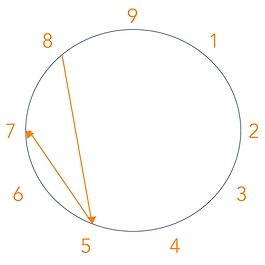
Moving back to Type 8
The path of growth for Type Fives calls for them to reclaim their ability to engage more actively, more fearlessly, and more powerfully in the world. Moving back to Eight with awareness can thus be a way for Fives to reengage with their lost sense of their power and authority.
Moving ahead to Type 7
The Inner Flow growth path for Type Fives brings them into direct contact with the challenges embodied in Type Seven: using levity, sincere intellectual interest, innovative thinking, and creative options as a way of interacting more directly with the outside world. Fives can expand their ability to share more of themselves with others by intentionally using humor, playfulness, and intellectual curiosity.
For Type 5s, the key to embracing their true selves lies in gradually reducing their need to be in control of others' movements either toward or away from them. When this type realizes that they have actually been missing deeper and freer connections for much of their life, they can focus all their intention and attention on exchanging ideas, feelings, and sensations with others.
Using the Enneagram for Growth
The first steps involve observing yourself to make the patterns and habits associated with your main, or "core," type more conscious. After you have done this for a while, you can create further growth shifts by using the arrows as pathways for growth.
- The point behind (moving back) our core type along the arrow lines represents issues from the past that we need to re-integrate.
- The point ahead (moving forward) of our core point represents key challenges we need to master to become more whole.