
The Artist
Source: CP Enneagram Academy - The Ultimate Guide
Key Traits
- Inferior Self-Image. Fours believe that goodness exists outside of them, which means that they view themselves as lacking positive traits and qualities.
- Focus on Suffering. This focus can function as a defense for Fours and can be an expression of their unique capacity to feel things deeply.
- Aesthetic Sensibility. Fours have an affinity for artistic processes as a way of communicating emotional truth, and easily see the beauty inherent in things.
- Emotional Sensitivity and Empathic Ability. Fours value emotional intensity and authenticity, they tend to feel deeply and find comfort in feelings like melancholy or sadness.
- Push-Pull Pattern in Relationships. Fours tend to idealize their loved ones when they are far away and can push them away when they are close by.
Overview
Type Four represents the archetype of the person who experiences an inner sense of lack and a craving for that which is missing, and yet can't allow for the attainment of what might provide satisfaction.
Type Fours overidentify with those parts of ourselves we'd rather others don't see. Although Fours may also recast their sense of deficiency as being "special" or "unique" as a way of valuing themselves on a surface level, they identify with a deficient self more than an idealized self.
The natural strengths of Type Fours include their large capacity for emotional sensitivity and depth, their ability to sense what is going on between people on the emotional level, their natural feel for aesthetics and creativity, and their idealistic and romantic sensibility. Fours' "superpower" is that they are naturally emotionally intuitive.
As with all the archetypal personalities, however, Type Fours' gifts and strengths also represent their "fatal flaw:" they can overdo their focus on pain and suffering, and while they have a gift for emotional sensitivity, they can become attached to their feelings in a way that can prevent them from thinking objectively or taking action.
Zooming In
Focus of Attention
Fours focus attention on their own feelings, the feelings of others, and interpersonal connection and disconnection. They feel a sense of deficiency about their own worth, so they seek idealized experiences of qualities they perceive as outside themselves.
Thoughts and Emotions
Fours value authentic expressions of a wide range of emotions. Their thought patterns center on what is missing in a given situation and on longing for whatever they perceive as ideal and somehow unavailable. They have a keen aesthetic sensibility and tend to overidentify with feelings and dwell in melancholy (or anger).
Behavior Patterns
Fours can be reserved and withdrawn, or energetic and active, or both. They are emotionally intuitive, empathic, and intense. Fours generally aren't afraid of conflict, will work tirelessly when they feel passionately connected to something, and can see what's missing and speak to it.
Blind Spots
- what's going well
- own positive qualities and strength
- over-identification with emotions
- consequences of comparing self to others
- what gets ignored when focusing excessively on their internal world
When Blind Spots are Integrated
- balance what is missing with what is present
- develop more confidence
- draw on the wisdom of their emotions, while being objective and practical
- balance their inner focus with consideration of those around them
- avoid being distracted by specific emotions
Passion : Envy
(dominant emotional drive, fixation, that each type struggles with)
Envy manifests as a painful sense of lack and a craving toward that which is felt lacking. For Fours, Envy grows out of an early sense of loss that leads to a perception that something good is outside the Four's experience, and that this something is necessary but missing because of an inner deficiency.
Virtue : Equanimity
(higher emotional state, quality, that each type can achieve when healthy and balanced)
Equanimity, understood as a state of emotional balance that allows you to rise above the ups and downs of emotional experience and see equal value in all people, feelings, and situations, helps this type grow beyond their need to feel extraordinary to have value.
The Path From Envy to Equanimity
The paradox underlying the Type Four personality patterns centers on the tension between the passion of envy and the virtue of equanimity. For Type Fours, the key to embracing their true selves lies in gradually shifting their focus from what they view as negative or missing and allowing themselves to see what's positive and present.
Type Four Subtypes
Self-Preservation Four: Tenacity (Countertype)
The SP Four is the countertype of the three Fours. Tenacity refers to this Four's ability to endure suffering without complaining. These Fours are more practical and grounded, less obviously dramatic. They envy quietly and express it more through working hard.
Social Four: Worry
The Social Four suffers more, feels more shame, and is more sensitive than the other two Fours. Envy fuels a focus on shame and suffering as they employ a strategy of seducing others into meeting their needs through an intensification of pain and suffering. Social Fours don't compete with others as much as they compare themselves to others and find themselves lacking.
Sexual Four: Competition
Sexual Fours make others suffer as an unconscious way of trying to rid themselves of painful feelings of deficiency. In denying their suffering and being more shameless than shameful, they express their needs more and can be demanding of others. They express "an envy that wants," unconsciously turning their pain at inner lack into feelings of anger about not getting what they need from others.
Growth Path
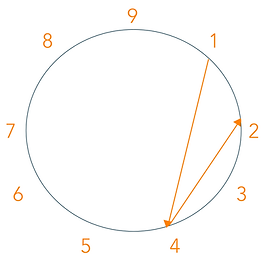
Moving back to Type 1
The path of growth for Type Fours calls for them to reclaim their ability to use self-evaluation, self-discipline, and structure as ways to support themselves rather than as ways of devaluing and punishing themselves. Fours can consciously draw on the strengths of the One Point to take action to manifest their ideals.
Moving ahead to Type 2
The Inner Flow growth path for Type Fours brings them into direct contact with the challenges embodied in Type Two: allowing for a balance between self-referencing and other-referencing, between meeting your own needs and meeting the needs of others. Finding ways to provide support and understanding to other people can be a good way for Fours to balance out their over-focus on their inner experience.
For Type Fours, the key to embracing their true selves lies in gradually shifting their focus from what they view as negative or missing and allowing themselves to see what's positive and present. By being more present, Fours develop the ability to access their true selves and learn that all is well as it is.
Using the Enneagram for Growth
The first steps involve observing yourself to make the patterns and habits associated with your main, or "core," type more conscious. After you have done this for a while, you can create further growth shifts by using the arrows as pathways for growth.
- The point behind (moving back) our core type along the arrow lines represents issues from the past that we need to re-integrate.
- The point ahead (moving forward) of our core point represents key challenges we need to master to become more whole.