
The Performer
Source: CP Enneagram Academy - The Ultimate Guide
Key Traits
- Other-Directedness. The Three personality is shaped around playing to an audience and becoming what others value.
- Achievement Orientation. Threes work hard to set and reach goals based on social or cultural conceptions of what makes a person successful.
- Focus on Success. Threes have a keen eye for what constitutes success and have the willingness and drive to do what they need to do to achieve it.
- Competitiveness. Threes can be ruthless and competitive, pragmatic, and specialize in targeting specific achievements and doing what it takes to make them happen, playing to win.
- Image Manipulation. Threes are so good at manipulating their image to gain the admiration of their audience, it can be hard for Threes to see more deeply into themselves beyond their image and achievements.
Overview
Type Three represents the archetype of the person who seeks to create an image of value and success and to gain the admiration of others, through active efforts in both work and appearance.
Type Threes are the prototype for the way in which we all adopt a personality as an external public face in order to survive in the world. This archetypal stance prioritizes looking good and matching social ideals of value and status as a way of feeling accepted and earning approval.
Type Three individuals work very hard and know how to make a good impression. They are extremely competent and effective doers who get a lot done and make it look easy. Threes are skilled at using goals to motivate their efforts and are resourceful and productive in achieving those goals.
As with all the archetypal personalities, however, Type Threes' gifts and strengths also represent their "fatal flaw" or "Achilles heel:" they exhaust themselves by working too hard, and they lose sight of who they really are apart from the persona they've adopted.
Zooming In
Focus of Attention
Three focus attention on tasks and goals to create an image of success in the eyes of others. Threes identify with their work, believing they are what they do, and lose touch with who they really are.
Thoughts and Emotions
For a Three, thinking centers on "doing", on accomplishing tasks and goals. Though a heart type, Threes (unconsciously) avoid their feelings because getting caught up in emotion prevents them from getting things done. Threes tend to express impatient anger if someone or something gets between them and their goal.
Behavior Patterns
Threes tend to be fast-paced workaholics. They find it very difficult to slow down and just "be." They can be extremely productive and effective because of their laser-like focus on getting things done and reaching their goals.
Blind Spots
- their own and others' feelings
- their "real self" as different from image or work identity
- the value of slowing down
- their impatience gets in the way of connecting authentically to others
- importance of emotions
- the potential value of failure
When Blind Spots are Integrated
- use emotions as guidance
- base decisions and goals around who they really are as opposed to their image
- allow more time to think things through
- relate to others before moving forward on tasks
- balance relationship and work goals
- embrace failures as learning experiences
Passion : Self-deceit
(dominant emotional drive, fixation, that each type struggles with)
Self-deceit is the passion that drives Type Three. In its expression as the core emotional motivation of this type, self-deceit is an unconscious tendency to shapeshift to present themselves in a way others will approve of and admire.
Virtue : Veracity
(higher emotional state, quality, that each type can achieve when healthy and balanced)
Veracity is the virtue that provides an antidote to the Type Three passion of self-deceit. For this type, veracity involves being more fully conscious of the deception implicit in their personality structure, recognizing their false selves as false and learning not to find their identity in what others want them to be.
The Path From Self-Deceit to Veracity
The Type Three paradox is grounded in the polarity between the passion of self-deceit and the virtue of veracity. By learning to tell the difference between their false self (their ideal image) and their true self, Threes move from the conviction that they are what they do, to realizing from the inside who they truly are.
Type Three Subtypes
Self-Preservation Three: Security (Countertype)
The Self-Preservation Three has a sense of vanity for having no vanity. Not just satisfied with looking good, the SP Three strives to be good. They are determined to be a good person, to match the perfect model of how a person should be. SP Threes seek a sense of security through being good, working hard, and being effective and productive.
Social Three: Prestige
Social Threes focus on achievement in the service of looking good and getting the job done. They act out vanity through their desire to be seen and have influence with people. They enjoy being on stage in the spotlight and know how to climb the social ladder and achieve success.
Sexual Three: Charisma
Sexual Threes focus on achievement in terms of personal attractiveness and supporting others. Vanity is employed in the service of creating an attractive image and promoting important others. These Threes often put the focus on others they want to promote and put a lot of energy into pleasing others.
Growth Path
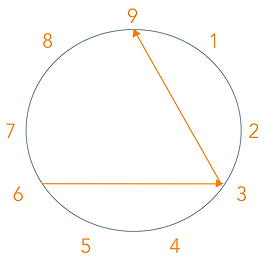
Moving back to Type 6
The path of growth for Type Threes calls for them to reclaim their ability to access their fears as a way of slowing down to more carefully consider the path to their goal. A conscious return to Six can be a way for them to allow themselves to get in touch with the fears and concerns that can force them to slow their pace in helpful ways.
Moving ahead to Type 9
The Inner Flow growth path for Type Threes brings them into direct contact with the challenges embodied in Type Nine: allowing for being without doing, prioritizing others and not just goals and tasks, and being connected to people without losing yourself. The more passive stance of Type Nine can usefully counter the active approach usually taken by Threes. And Nines' ability to relax and just be, helps Threes learn how to slow down the doing and risk being.
For Type Three, the key to embracing their true selves lies in gradually learning to know and like their authentic selves more than their egoic selves. When they become conscious of their tendency to deceive themselves and learn to catch themselves in the act of shape-shifting, they learn that their true selves can be available for love and connection while their false selves cannot.
Using the Enneagram for Growth
The first steps involve observing yourself to make the patterns and habits associated with your main, or "core," type more conscious. After you have done this for a while, you can create further growth shifts by using the arrows as pathways for growth.
- The point behind (moving back) our core type along the arrow lines represents issues from the past that we need to re-integrate.
- The point ahead (moving forward) of our core point represents key challenges we need to master to become more whole.