
I love this pie so much (I'm usually not a dessert person) but this… so thankful for thanksgiving haha
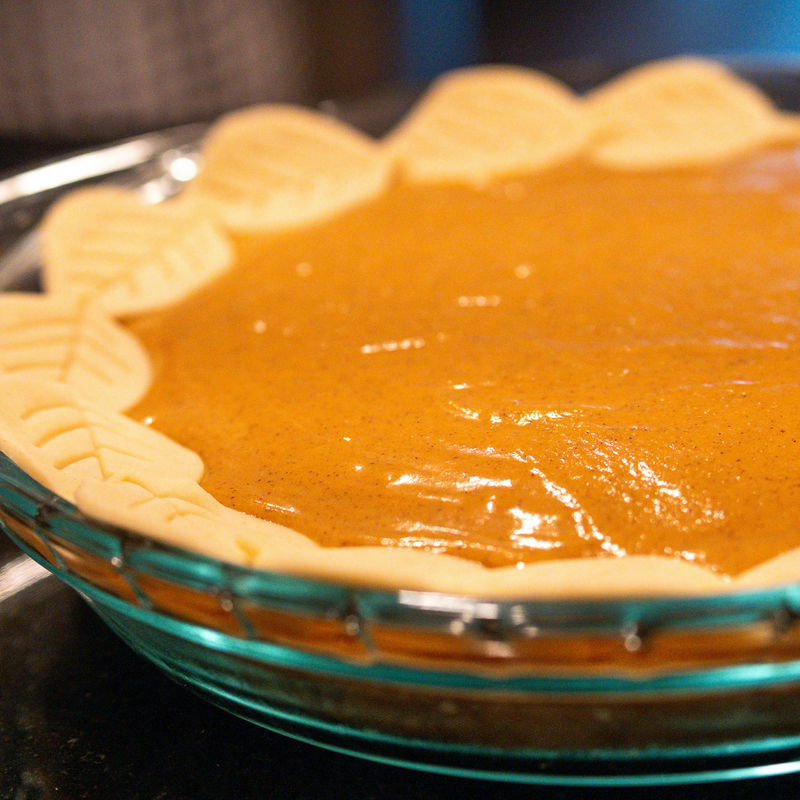
I love this pie so much (I'm usually not a dessert person) but this… so thankful for thanksgiving haha
(Recette en français plus bas, juste après l'anglais)
Ingredients
- 3 medium sweet potatoes (about 390 g), baked
- ½ cup (113 g) butter
- 1 cup (198 g) granulated sugar
- 2 teaspoons (9 g) vanilla extract
- 2 large eggs (about 100 g), beaten
- ½ cup (114 g) milk (whole or evaporated)
- 1 (9-inch) unbaked pie crust
Optional toppings: whipped cream, marshmallow fluff
Brown Sugar Option: Replace 1 cup granulated sugar with ¾ cup light or dark brown sugar.
Optional Spice Variations
Add these to the filling mixture for a classic spiced version:
- ½ teaspoon ground cinnamon
- ¼ teaspoon ground nutmeg
- ¼ teaspoon ground ginger
(Optional extra depth: a pinch of ground cloves)
Instructions
- Bake the sweet potatoes:
- Preheat oven to 400°F (204°C).
- Scrub sweet potatoes, prick 4-5 times with a fork, and bake on a sheet for 45-50 minutes until tender.
- Cool slightly, peel, and place in a large mixing bowl.
-
Reduce oven heat to 350°F (177°C).
-
Make the filling:
- Mash sweet potatoes with butter until smooth.
-
Add sugar, vanilla, milk, eggs, and optional spices; mix until well combined.
-
Bake the pie:
- Pour filling into unbaked pie crust.
- Bake for about 1 hour until the center is set.
- Cool slightly before serving.
Wine Pairing
I asked AI about which French wines to pair with sweet potato pie (I didn't take the first answer, I deep dived!) and several options came up depending on the pie's natural sweetness, creamy texture, and spices like cinnamon and nutmeg:
- Alsatian-style Pinot Gris : a richer, sweeter white wine with honey, peach, and almond notes that complement sweet potato pie well.
- Late harvest Riesling : a classic sweet white that balances the pie's sweetness with refreshing acidity.
- French Pinot Noir (Burgundy), offers a light, fruity yet earthy profile that pairs nicely with the pie's creamy and spiced character without overpowering it.
- Sauvignon Blanc : vibrant acidity and zesty notes can also work, highlighting the richness and nuttiness of the sweet potato pie.
- White Port : another good match, bringing aromatic complexity and a touch of sweetness to the dessert.
Avoid heavily tannic red wines or overly dry whites, as they tend to clash with the sweetness and creaminess. A general guideline is to pair the pie with wines that have either gentle sweetness or bright acidity to create balance.
En français maintenant !
Ingrédients
- 3 patates douces moyennes (environ 390 g), cuites au four
- ½ tasse (113 g) de beurre
- 1 tasse (198 g) de sucre en poudre
- 2 cuillères à café (9 g) d'extrait de vanille
- 2 gros œufs (environ 100 g), battus
- ½ tasse (114 g) de lait (entier ou évaporé)
- 1 fond de tarte non cuit (23 cm)
Garnitures facultatives : crème fouettée, guimauve fondante
Option sucre brun : Remplacez 1 tasse de sucre en poudre par ¾ tasse de sucre brun clair ou foncé.
Variations d'épices facultatives
- ½ cuillère à café de cannelle moulue
- ¼ cuillère à café de muscade moulue
- ¼ cuillère à café de gingembre moulu
(Pour plus de profondeur : une pincée de clou de girofle moulu)
Instructions
Cuire les patates douces :
- Préchauffez le four à 204°C (400°F).
- Brossez les patates douces, piquez-les 4-5 fois avec une fourchette et faites-les cuire sur une plaque pendant 45-50 minutes jusqu'à ce qu'elles soient tendres.
- Laissez refroidir légèrement, pelez-les et mettez-les dans un grand bol.
- Réduisez la température du four à 177°C (350°F).
Préparer la garniture :
- Écrasez les patates douces avec le beurre jusqu'à obtenir une texture lisse.
- Ajoutez le sucre, la vanille, le lait, les œufs et les épices facultatives ; mélangez bien.
Cuire la tarte :
- Versez la garniture dans le fond de tarte non cuit.
- Faites cuire environ 1 heure, jusqu'à ce que le centre soit pris.
- Laissez refroidir légèrement avant de servir.
Accords Mets & Vins
- Pinot Gris d'Alsace : un blanc riche et légèrement doux, aux notes de miel, pêche et amande, parfait avec la tarte.
- Riesling vendanges tardives : un classique, doux et équilibré par une belle acidité.
- Pinot Noir de Bourgogne : rouge léger, fruité et légèrement terreux, qui accompagne bien la texture crémeuse et les épices sans dominer.
- Sauvignon Blanc : sa vivacité et ses notes zestées mettent en valeur la richesse et le côté légèrement noisette de la tarte.
- Porto blanc : apporte une complexité aromatique et une touche de douceur idéale pour le dessert.